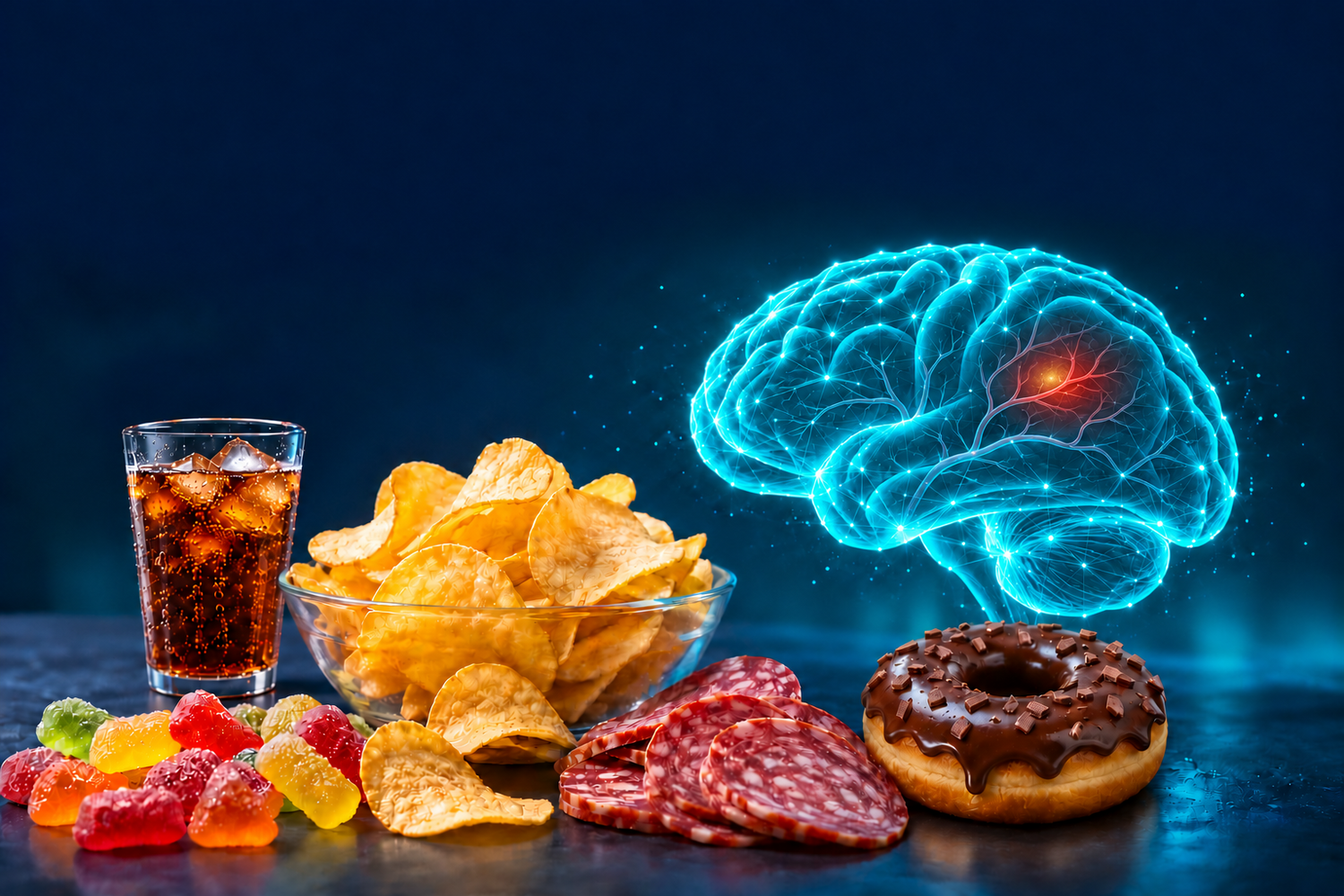
Most recently, a Canadian study of 8,783 adults aged 35 to 69 years showed that a higher intake of ultra-processed foods was associated with a higher percentage of fat mass and adipose visceral tissue (tissue that surrounds and protects major internal organs, such as the liver, pancreas, stomach, intestines and kidneys), as well as a higher risk of cerebrovascular injury. *
In this study, people who had nearly half of their daily food intake made up of ultra-processed foods appeared to be 40% more likely to experience cerebrovascular damage.
*Cerebrovascular lesions are abnormalities or damage to the blood vessels in the brain that cause no visible or immediate symptoms. In two years, there will be a follow-up to this study, but it would be a shame not to act on it now, because it is never too late to improve our nutrition and health!
Here is the link to the radio interview to which Denis Duchesne and his team invited me and the rest of the text down below.
Happy listening/reading :)
What is an ultra-processed food?
These are products made from ingredients that are not found in our kitchen, such as hydrogenated oils, high fructose corn syrup, food colours, natural or artificial flavours.
Ultra-processed foods are usually high in sugar, salt and/or fat.
Examples include soft drinks, sweet or salty packaged snacks, candies, chicken nuggets, frozen pizza, very sweet breakfast cereals, ice cream, enveloped dry soups, certain hot dogs, chips, etc…
How to recognize ultra-processed foods?
Here are some questions to ask ourselves to help identify which foods are ultra-processed when we go to the grocery store:
- Where is the ingredient list?
- Is the ingredient list short, easy to read and easy to understand?
- Does the ingredient list contain foods that I recognize?
- Could these ingredients end up in my kitchen? If the answer is no, it’s probably an ultra-processed food.
Let’s make an example together to identify if one of these two peanut butters is an ultra-processed food:
Peanut butter, regular, creamy.
I invite you to see if these ingredients could be found in your kitchen?
#1
Natural peanut butter.
Here is the list of ingredients: 100% Roasted selected peanuts.
#2
Regular peanut butter
Here is the list of ingredients: Roasted peanuts, soybean oil, corn maltodextrin, sugar, hydrogenated cottonseed and rapeseed vegetable oil, salt, mono and diglyceride.
As you may have noticed, the list of ingredients for peanut butter #1 is shorter than that of peanut butter #2. The latter includes ingredients that are not found in our kitchen, such as mono and diglyceride. It is therefore an ultra-processed food.
What drives us to eat ultra-processed foods, among other things?
The rising cost of food makes it difficult for families and Canadians to eat healthy meals that are whole-food and include a variety of fruits and vegetables.
7 Solutions to eat less ultra-processed foods:
Here 7 other strategies to help us reduce our consumption of ultra-processed foods:
- Cooking our own meals at home saves us a lot of money and allows us to have much less processed and much better-quality ingredients.
- We don’t have to be a great chef to cook, because the more often we cook, the tastier our recipes are likely to be!
- Don’t be shy about adapting the recipes we like to our level of expertise and the time we have to cook
- Except for special occasions, let’s try to avoid having ultra-processed foods on hand. Because it’s much easier not to eat them when we can’t see them.
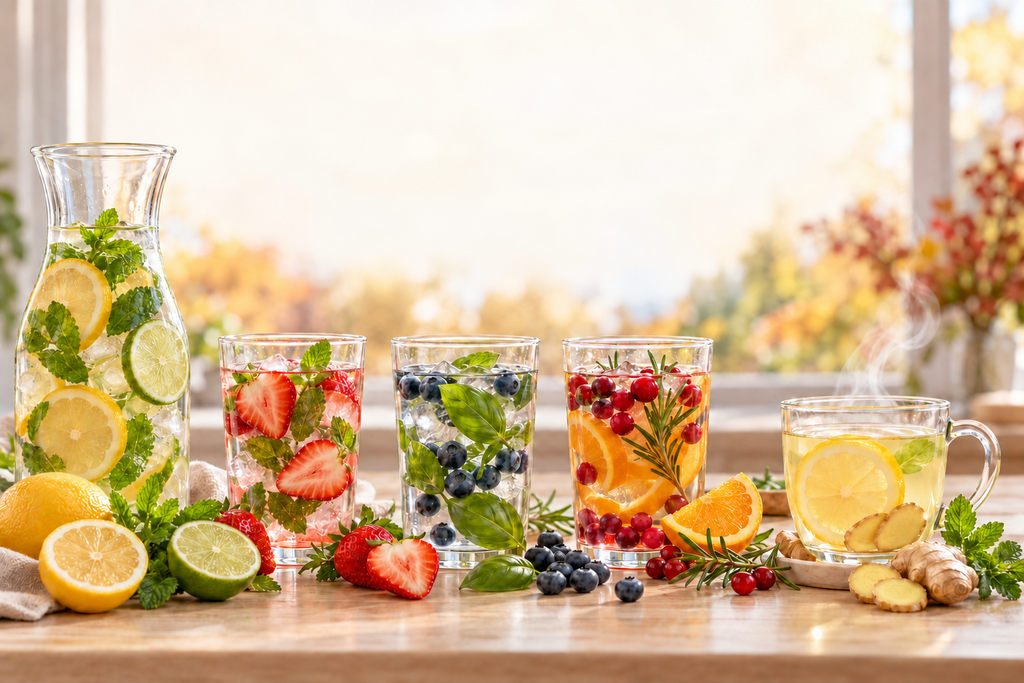
- Instead, we want to have a variety of fruits that we can have as a snack, whether fresh, frozen or canned.
- At the grocery store, let’s try to look for fresh and less processed products that are usually located on the periphery of the aisles.
- How about trying to select products without animated characters or advertises on them?
A glimmer of hope, according to another Canadian study
Another Canadian study by Dr. Jean-Claude Moubarac and his team shows that 37% of new cases of cardiovascular disease and stroke as well as 38% of deaths can be attributed to the consumption of ultra-processed foods.
According to this team of scientific researchers, if Canadians ate 50% less ultra-processed foods, we could prevent 45,000 new cases of cardiovascular disease and stroke and save 8000 lives each year.
The food we eat doesn’t have to be perfect.
The food we eat doesn’t have to be perfect. It’s normal occasionally to feel like eating a few ultra-processed foods. But overall, if they are less present in our kitchens, we will have less of a taste for eating them.
For example, when we’re making the effort to place a basket of apples on the counter, it’s easier to eat an apple with a nice piece of cheese as a snack!
Other studies in progress
Although longitudinal studies are underway to establish the temporality, I propose that we continue to reduce our consumption of ultra-processed foods little by little. I am looking forward to hear what you think about that?
Thank you for your interest,
Your nutritionist and speaker, Johanne Vézina, RD